
Harar,the Fortified Historic Town
Explore Tours
Trip Code: ZET 024
Mode of Transportation: Surface- 4WD
Tour Type: Omo Valley
Length: 3 days / 2 nights
Group Size: 1- 20 Participants
Dates: Any date departure
Grade: Cultural Tour
Harar – 3 days tour
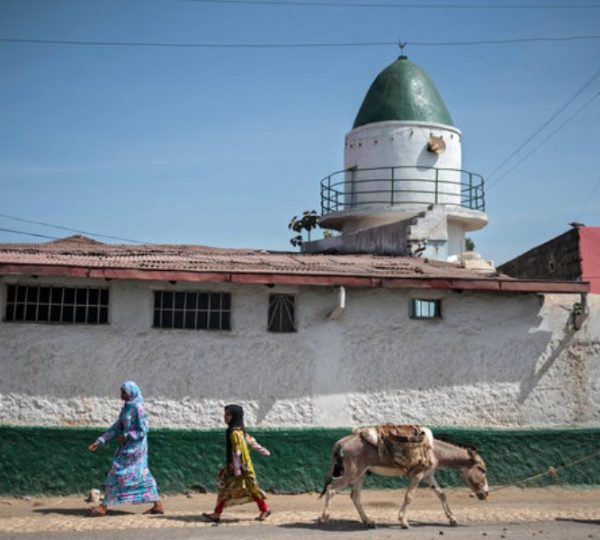
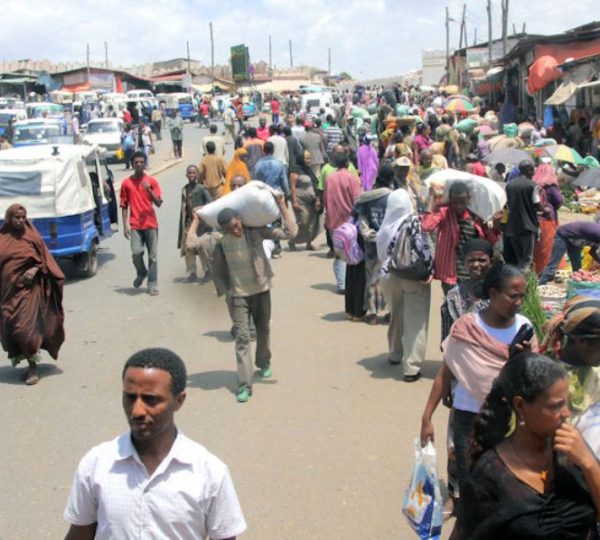
Standing on the eastern wall of the Great Rift Valley, Harar’s location gives wonderful views of the surrounding country, with the vast Danakil desert to the north, the fertile Harar Mountains to the west, and the cattle-rich Ogaden Plains to the south. Here we discover a uniquely different Ethiopia in this sacred Muslim city of mosques, minarets and markets. It is a center of Muslim learning, a city which once struck its own local currency and a place that still has its own unique language; long regarded by the outside world as a city of mystery and romance.
Included/Exclude
Tour Amenities
Tour Plan
Early morning driven to the walled city of Harar. Today is a long drive - approximately 9 to 10 hours including stops. you will pass through many villages and some beautiful landscapes, unique and different to other areas of Ethiopia. Along the way we stop for a couple of hours in Awash National Park, one of the most beautiful natural reserves in Ethiopia. The Awash River runs through a spectacular gorge and the park itself is home to 392 species of birds and many mammals including oryx, gazelle and various other antelopes. The Awash River is the longest in Ethiopia; it does not run into the sea, but feeds into the Danakil Depression close to Asayta and terminates in a series of lakes. After visiting the park we continue on to Harar.
Meal: breakfast /lunch /Dinner
Overnight Hotel or traditional house
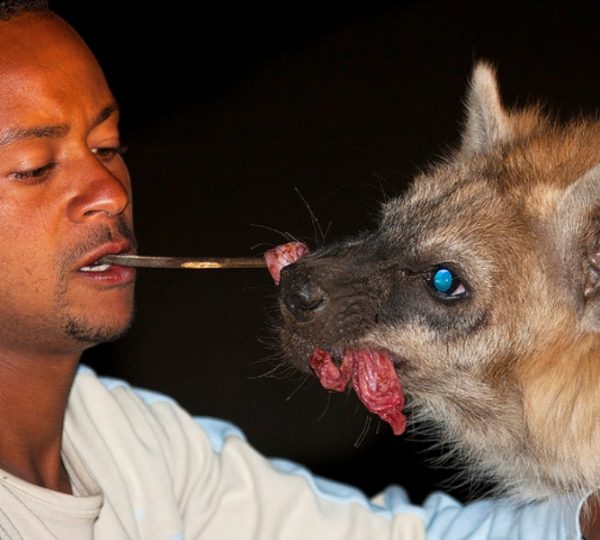
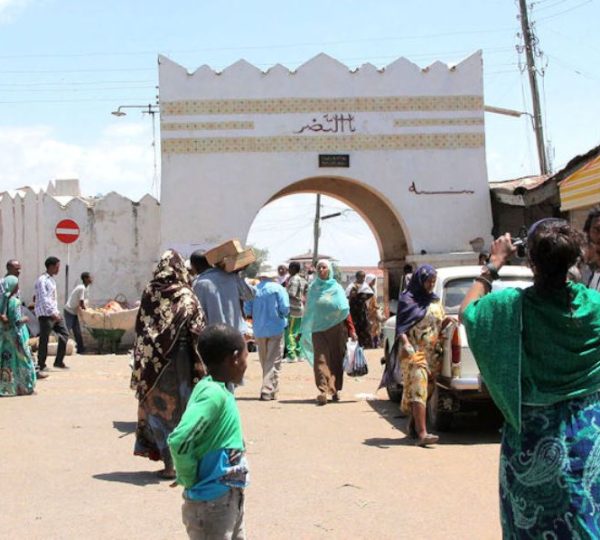
Founded in the early 12th century, the great walls surrounding Harar were built in the 1600s to keep out powerful neighbouring hostile groups. Harar remained an important centre of Muslim learning and trade throughout the 17th and 18th centuries. Once an important centre of Islamic scholarship, the city was for many years closed to Christians and early explorers were forced to enter in disguise and at their own peril. We start our exploration with a guided tour of Harar to see the mosques and interesting old architecture of the town, including the old city wall and the house of the French poet Rimbaud. Harar is home to one of the stranger sights that you’re likely to see in your journey through Ethiopia. Every night, a local man goes to the outskirts of the ci'Zpnd calls the hyenas from the surrounding area. This practice apparently dates from the 1950s, but was based on an older tradition was first started to discourage the hyenas from stealing local livestock. As the hyenas approach, the hyena man holds out pieces of meat to them, either in his hands or sometimes between his teeth, which the hyenas then take from him. This is a practice that is handed down from generation to generation and only one person fills the role at any one time. This evening you may wish to go and witness this bizarre ritual.
Meal: breakfast /lunch /Dinner
Overnight Hotel or traditional house
We enjoy a free morning to do our own exploration around the labyrinth of alleys that make up Harar. In the afternoon we are transferred to the airport where we catch our flight back to Addis Ababa. the tour ends upon arrival in Addis Ababa. If you are flying out of Addis Ababa this evening, please check with us so we can ensure that you will have time make your connecting flight.
Meal: breakfast /lunch /Dinner
Semeien Mountains Trekking -11 days
The Simien highlands of northern Ethiopia form one of the major mountain massifs in Africa. A highlight is the ascent to the summit of Ras Dashen - Ethiopia's highest peak and the fifth highest on the continent. As we trek through this isolated region we admire the spectacular scenery of rocky plateaus, spires, mesas and deep gorges.
- Simien Mountains: trek one of Africa's most spectacular and least visited mountain ranges in Africa.
- Ras Dashen: climb Ethiopia's highest peak at 4620m.
- Camping: enjoy wild camping in stunning locations.
- Gondar: discover the medieval Fasilidas Castle and Debre Berhan Church.
The Simien Mountains in Ethiopia offer superb highland trekking, with far reaching views, rare wildlife and an incredible local culture. This 11 day trek initially follows the main route from Sankaber to Chenek that most shorter treks take. This section follows a dramatic highland ridge and offers some of the best views in the region. After reaching Chenek it is a tough 2 day trek to the summit of Ras Dashen (Ethiopia's highest mountain at 4620m). Very few visitors to the park then continue onto the lowlands, but this final section of the trail is a real treat, very much off the beaten path with some wonderful swimming spots and fantastic birfdlife.
All treks and tailor-made itineraries are organised on demand for groups of two or more people. For single travelers or those who prefer travelling in a group, we offer several scheduled small group tours
Essential information
Getting around Ethiopia: -Because of the state of the roads, the distances involved and the quality of the alternative (flying) most short term visitors use internal flights in Ethiopia. There are reliable daily flights between most of the stops on the Northern Circuit (Addis, Gondar, Lalibella, Axum, Bahir Dar).
If you have more time, or delight in the joys of overland travel, we can provide you vehicles (4WD, minibus and coaster bus )
When is best: The Ethiopian Tourist Board proudly promotes their slogan “13 months of sunshine” to anyone who will listen, but they are not far off the mark. The rainy season in the North is in July and August, but whilst that might stop you attempting a multi day trek in the Simien Mountains, it won’t really affect you if you are planning on touring the Northern Historical route. The best time to visit the North is in Autumn, after the rains when the mountains are full of lush green and the views are in impeded by haze.
When to go –September – June
Wild Camping & Hotels :On trek you’ll be camping in the offical park camp sites at Sankaber, Geech and Chenek. The sites are in beautiful spots and have been built sympathetically with seated drop toilets set well away from the camping area. The facilities are cleaned and tidied every day. You will be sleeping in 2 men tents (you can share or have a tent to yourself) and the crew will erect and take down your tent each day (as well as carrying your gear to the next camp-site). Overnight temperatures are cold at altitudes over 3,000m, so bring a 4 season sleeping bag. Tents will be erected by local staff members, who will also cook and wash up.
All of our group tours are planned and operated on a twin-share basis at standard hotel.
Eating & drinking:- Hotel meals are generally good although they can lack variety. Local dishes tend to be very good if you like hot, spicy food although milder versions can be requested. Local food is traditionally eaten with the hands. The sour bread known as injera is used as a scoop for the casserole dishes known as wat.
All food on trek is cooked for you and, although local produce can be a bit limited in the mountains, it is usually of a high standard. Vegetarians can be catered for, though you may find the diet somewhat limited. Clients who have specialist dietary requirements must contact us to discuss if they can be accommodated. you will have a private cook for your trek who will provide breakfast, packed lunch, tea and dinner each day. The food is great, and given most Westerners aversion to the Ethiopian stapleInjurra, mostly of the Western variety. Expect bread and pancakes / eggs for breakfast, filling sandwiches for lunch, herbal teas, fantastic coffee and popcorn at the end of a long days trekking and then a massive meal to end the day with soup starter and a hearty main with plenty of veg to finish.
Transport to and from the Simien Mountains is in a 4wd vehicle. The drive to the mountains from Gonder is not the most comfortable in the world, it is dry, dusty and very bumpy.
You’ll be accompanied by an English speaking guide, chef and scout. Scout’s are complusory and carry rifles. It is worth noting that the guns are not really there for protection but are a cultural remnant of the role the scouts once played in protecting the area from bandits
Preparing for your trip
Climate :-Ethiopia is generally pleasant and warm, but varies with altitude. The long rains usually arrive mid- June to early September. After the rains, the highlands of northern Ethiopia are usually green and thus particularly scenic. The temperature all year round rarely falls below 18°C. Night-time temperatures in the mountains can be cold and can drop below freezing at higher altitude. There is a strong risk of sunburn at high altitude in Ethiopia.
Maximum Altitude on Trek (m) :- 4620
Trekking Details :- Trek for 10 days for an average of 7 to 9 hours walking each day, mostly above 3000m. Maximum altitude is the summit of RasDashen, 4620 m. Mules carry all food, luggage and equipment. We have graded this trek as challenging.
Altitude Description:-In the Simien Mountains trekking is strenuous with 6-8 hrs a day walking on average, at altitudes of 3,000- 4,500m, though there are some longer days (including the ascent of RasDashen, 4,620m). There is very little flat walking involved. Your Guide will ensure that during your stay in the mountains you acclimatise enough before an ascent of RasDashen. At altitude you will find yourself moving slower than usual, but this gives an excellent opportunity to admire the spectacular views.
Please note this trip goes to an altitude where there is a risk of being affected by Acute Mountain Sickness (AMS), a common and usually harmless condition caused by reduced air pressure and a lower concentration of oxygen. Whilst the itinerary has been specifically designed to allow your body to acclimatise gradually, the speed of onset and severity - as well as the height at which AMS develops can vary greatly between individuals; being physically fit affords no special protection. If symptoms occur while on tour you must let your Guide know immediately.
Equipment:
Sleeping Bag As you do not carry it yourself this may be down or synthetic, but it must be 4-season (temperature -8°C to -5°C). A cotton liner helps to keep your bag clean.
Sleeping Mat Regular sleeping mats will be provided but if you would prefer an inflatable thermarest style you will need to bring your own.
Walking poles are recommended.
Water Bottlem, water along the trail must never be considered as drinkable. Take at least a 2 liters personal water bottle, preferably insulated.
Energy snacks, including chocolate and sweets, are also recommended whilst on trek.
Sunglasses/Snow Goggles A good pair of sunglasses are essential for protection against UV rays and glare at high altitudes.
Sun Hat, High Factor Sun Cream/Block & Lip Salve Choose a high factor suncream (Factor 15 or more) to protect your skin against the sun at high altitudes. A combination sunblock/ lipsalve is ideal for facial protection.
Torch/Batteries/Bulb A small torch is essential for finding things at night. Often a head torch is useful for the early ascent to the summit. Remember to bring some spare batteries.
Toiletries Keep heavy cosmetics to a minimum. Essentials are toothbrush/paste, soap (preferably biodegradable), small towel. Wet wipes are great for a quick clean up, so bring a pack of those.
Footwear
Walking Boots
Probably the trickiest part of all. We strongly recommend walking in good boots. Trainers, or shoes of a similar ilk simply do not give the ankle support afforded by a decent pair of boots. Many people now trek in the lighter weight Goretex or leather boots They have the advantage that they take little breaking in. The slightly heavier traditional leather walking boots are also good. Avoid the types often found in high street shoe shops which are simply cheap trainers with a higher canvas side sewn on – they give little support and will probably not last the trek. Above all, your boots must be well broken in and comfortable.
Trainers or Trekking sandals
Useful around the villages and when travelling.
Clothing
Socks
It is best to wear a pair of liner socks under a pair of fairly thick loop stitch socks. This helps to protect your feet against blisters. Avoid nylon socks, they are abrasive, don’t breathe well and can cause blisters.
Jacket
After sunset, temperatures can fall below freezing. A very warm jacket is the most convenient way of keeping warm when the temperature drops.
Waterproofs
Breathable waterproofs made from material such as Goretex not only protects against rain and wind but also stops you from overheating. They breathe and avoid condensation that you will experience from nylon waterproofs.
Long Trousers
For everyday walking, light cotton trousers are the most suitable. Jeans are not recommended as they are often difficult to walk in over longer distances and become cumbersome when wet.
Thick jumper/fleece jacket
A thick jumper or fleece jacket is necessary as nights can be very cold at altitude. Make sure that yourwaterproof jacket is loose enough to wear over your sweater or fleece.
Track suit
Comfortable around the villages and much more practical (and warmer) to sleep in than pyjamas. Alternatively, thermal underwear is good.
Shorts
Shorts can be very comfortable to walk in but you must carry long trousers with you in case you get either sunburned or cold. Follow your tour leaders advice on local sensitivities to wearing shorts during the trek.
Gloves
Especially useful in the morning and in the evening at higher altitudes. Also bring a scarf to cover your face from the dust during the day and a warm hat/balaclava.
Swimwear
There will be swimming opportunities during the trek
Luggage: On Tour
A kitbag/barrel bag carried by mules on trek, a stuff-sack to store surplus belongings while on trek and a daysac. Pack mules are used to carry equipment, food and most personal gear. Pack heavy/dense items into your kitbag.
Trek Kit Bag
Before leaving Gondar there is plenty of time to re-sort luggage into what you need on trek and what can be left in Gondar. Think about what you are taking on trek (remember your sleeping bag) and then think how big your kit bag needs to be. A nylon or canvas bag with a zip along the top is also suitable. Whatever you choose, it must be strong, as porters are not very gentle with baggage. Soft luggage is preferable! Framed rucksacks are unsuitable. The weight limit for the bag and its contents is 15kg but you will probably find that you do not need this much. Please note there are occasional opportunities to hand wash clothing whilst on the trek.
Small Rucksack/Daysac
During the course of a trekking day, you do not have access to the luggage that is being carried for you by the porters. In any mountain region the weather can change rapidly and you must be equipped for this eventuality. Your daysac should, therefore, be large enough to carry the following: waterproofs, sweater, long trousers (if walking in shorts), warm hat and gloves, sun hat, sun cream, water bottle (at least 2litre), tissues and your packed lunch. Most people normally find that this adds up to about 2 to 3kg. Camera equipment can be heavy so think carefully when deciding what to take. Other optional items in a daysac might be binoculars, a diary or a book to read at lunch time. It is usually more comfortable to carry a slightly larger pack that is not full than to carry a small pack that is overfull or with 'bits' tied on the outside. Something between 20 and 25 litres capacity is probably the most suitable. A shoulder bag is not a practical alternative.
Plastic Bags
Luggage:-15Kg
Fitness - You don’t need to be especially fit to join the trips , but there will be stairs to climb, hills to walk and sites to explore, so you’ll enjoy it more if you have a reasonable level of fitness.
Small Group Size: On our this tour , we believe it is imperative to keep the group sizes small. Most trips are limited to an average maximum of 20 travellers, thus giving you more access to fragile cultures, better opportunities to interact with local people, and the knowledge you are making less of an impact while there.
Private groups: The adventures featured in our itinerary are just a starting point for many of our private group travellers. Working closely with our Groups Department we can organize custom designed itineraries for groups of friends, clubs, charity’s, schools or even work colleagues. Our team will assist you with all aspects of your private group adventure from itinerary design to group flights. For group traveller pledge considerable discount.
Customized tours: On request, this tour can be customized for small groups.
Proceeding / additional days: It's no problem to add days before or after the expedition and we'll book these for you. If you bring more time, you could do day trips from Addis or take an extension tour
Group booking discount: If at least 5 people together book this trip, 6% discount is given.
Please remember that all See Ethiopia tour prices mean NO hidden extras, NO local payments.


