Surma Trekking: Visit the untouched culture — 9 days
Explore Tours
Trip Code: ZET 031
Mode of Transportation: Surface (4WD)
Tour Type : Surma Trekking
Length: 9 days / 8 nights
Group Size: 1- 20 Participants
Dates: Any date departure
Grade: Adventure touring
Surma Trekking -8 days
Ethiopia is home for numerous ethnic groups and tribes, more specifically there are about 80 ethnic groups and more than 250 languages and dialects are spoken with in the country. Unlike other parts, the Southern Omo Valley is known for its ethniical diversities and it is uniquely isolated from modern Ethiopia. There are 16 nomadic and semi-nomadic people inhabiting the Omo Valley without any influence of the outside world. The lower omo valley is also one of Ethiopian world heritage site (some old hominid fossils were discovered around Lake Turkana near Ethio-Kenyan border)
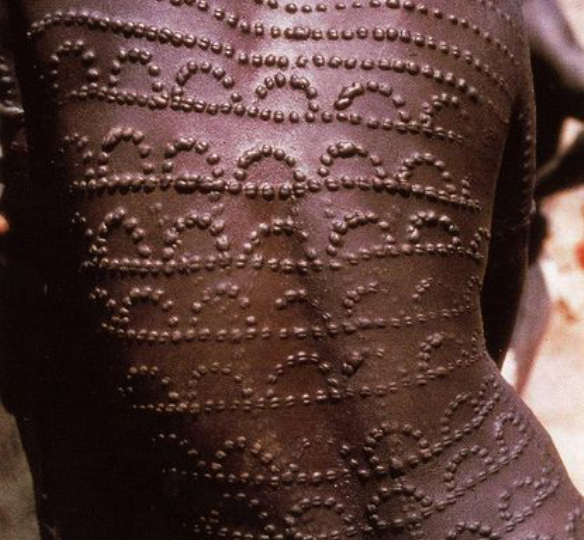
SURMA (SURI) is one of the tribes in the Southwestern side of the Omo River living in the evergreen deserted mountains and hills. The Surma belongs to the Nilotic—speaking group and are gatherers of wild fruit and pastoral cattle herders numbering more than 21,000 people.
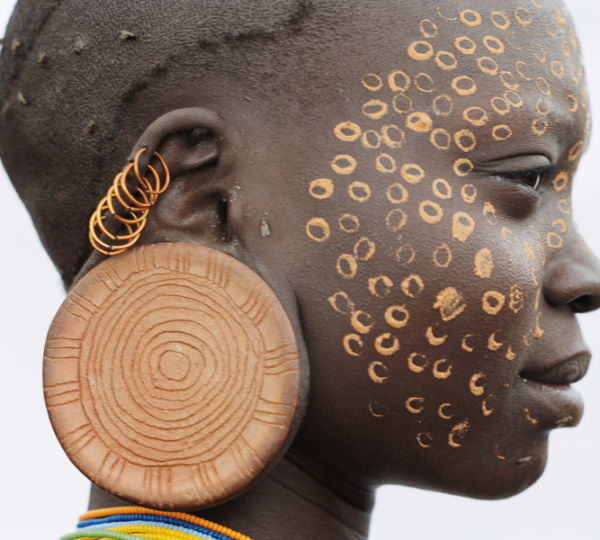
They are uniquely known for their donga, a ceremony which involves stick fighting among boys and considered to bring heroism, pride, and prestige. The stick fight enables the winner seek his bride against his rivals. The Surma men are often shave their hair as adornment with their earlobes and they are usually half necked and totally nicked during stick fighting. The Surma Women wear lip plates inserted in their lower lips and have different hair adornments made by using razor blade. In a typical Surma village live more than 1000 people leading the common life.
The Surma are animist who worship spirits and gods. They have also “medicine men” who acquire healing responsibility from their forefathers hereditably.
An exclusive exploration of remote areas with one of the worlds untouched cultures: mainly the Surma, Dizi, Yem, Bench, Menet, Mursi, Nyagatom, Dassench, Hamer,Karo,Bena and Aari in their village where you are going to be up close to their day to day activities. We organize trekking expeditions to the Surma villages in the south western part of the country where You’ll definetely see the untouched culture.
Included/Exclude
Tour Amenities
Tour Plan
Upon arrival in Addis Ababa, you will be accompanied by See Ethiopia tour employee and transferred to your hotel . 'Addis Ababa' translates as 'new flower' in Amharic - the beautiful local language you will hear sung throughout its chaotic streets. Chosen for its verdant setting and wonderful climate this was not always Ethiopia's capital —the (rather romantic) story tells that it was a love gift, the choice of the consort of the Emperor Menelik II who preferred the location to the country's original capital Entoto. –
The flower has most certainly bloomed and the second you step out of the airport you realise you are opening the door into an ancient, mystical and deeply religious world fighting strongly to keep its presence amongst high rises and shopping centres. A city of immense contrasts its chaotic streets are a hotchpotch of Menelik remains and dizzying investment. Before heading into the country's rural splendour strike out into this colourful metropolis with your charming local guide. Visit the former palace of Emperor Haile Selassie, now a fabulous Ethnographical museum , St George's Cathedral and a panoramic view of the capital from the Entoto Mountain.
Meal: breakfast /lunch /Dinner
Overnight at Hotel
Morning after breakfast drive 345km to Jimma. On the way we cross the magnificent and picturesque Gibe gorge and the Gibe River. Jimma was the capital of the former Keffa province. It is in this region that the coffee beans originated for the first time by a shepherd.
Meal: breakfast /lunch /Dinner
Overnight at Hotel
Today, we will be continuing our south-west routing as we make our way to Mizan Teferi. The 240km drive is made up of a mosaic of forest and cultivated land dominated by coffee, tea and various spices, and we will have ample opportunity to stop and take advantage of any photographic opportunities we may encounter.
Meal: breakfast /lunch /Dinner
Overnight at Hotel
Today, we will be continuing our south-west routing as we make our way to Mizan Teferi. The 240km drive is made up of a mosaic of forest and cultivated land dominated by coffee, tea and various spices, and we will have ample opportunity to stop and take advantage of any photographic opportunities we may encounter.
Meal: breakfast /lunch /Dinner
Overnight at Hotel
En-route we will visit coffee plantation, the Ethiopias largest old coffee plantation. On the way visit the Menit tribe. After crossing the Akobo River you experience the African Savanna grass land and on the way visit Orom, Kefecho and Bench tribe in their village.
Meal: breakfast /lunch /Dinner
Overnight Camping
We will arrange you mules for your personal equipment’s and for your self also. And you will experience a walk through Savanna grassland.
if there is any Donga (Stick fighting of the Surma people) we will attend it otherwise we walk around the old kibish village (14kms round trip) for the visit of more of the Surma villages-to visit and appreciate the very attractive culture of Surma tribe, they are renowned for the strange custom followed by their women who, on reaching maturity, have their lower lips slit and circular or rectangular clay discs inserted The rest of the day you finalize the arrangement of the team for the next trek to the next site.
Meal: breakfast /lunch /Dinner
Overnight Camping
After breakfast we walk with in the Surma territory for about 4-5 hours. The walk will have gentle slope ascending and descending. Upon arrival at Tulgit we will walk for about 40 minute to visit the Surma Village.
Meal: breakfast /lunch /Dinner
Overnight Camping
Drive to Jimma, with a stop to waterfalls on the way, for short walking too. Reach Jimma and visit the AbaJifar palace, old king house + the museum of all his artifacts and more, in town.
Meal: breakfast /lunch /Dinner
Overnight Hotel
Heading to Addis Ababa we will be driving 330 kms to Addis . we will stop at Walkite for lunch. En route we will be visiting the Gurage and Oromo people and their beautiful villages.
In the evening before departure, you will be invited a farewell dinner party at one of the best traditional restaurants in Addis where you taste variety of Ethiopian meals, and watch the folkloric dancers of the Ethiopian people.
End of Tour. Departure
- This trip can be tailor made throughout the year to suit your requirement.
Date and Availability = All the year This trip can be tailor made throughout the year to suit your requirement and itinerary can be adjusted according to your time, budget and interest. Price: , if you want quotation or any other tour information about this trip we are very happy to help. Request a quote
suit your requirement and itinerary can be adjusted
Essential information
Plan your trip
Getting around Ethiopia
Road: The best way to experience the variety of scenery Ethiopia has to offer is travel by road. Ethiopia's road network has improved substantially in the past decade or so thanks to an extensive road maintenance programme and many roads are become an asphalt.
There are a several highways in Ethiopia, majority of the roads are in good condition:
The major roads leading out from Addis Ababa are tar-sealed, all-weather roads along all (or most of) their routes. Many minor roads are paved and traversing them can be comfortable.
By car: -A good way to tour Ethiopia is by car. They can take you off the beaten track so you can see the beauty and attractions of Ethiopia.
We use reliable and well maintained Toyota Landcruisers, Buses and minibuses throughout the entirety of this tour and our drivers are chosen by us for their skills, their safety, their experience and their good nature. The main roads in Ethiopia are often newly tarmaced and facilitate comfort and efficiency. But this tour frequently goes off-piste to explore much more unusual areas, making the comfort and quality of our vehicles of utmost importance.
Vehicles /Transport: During the course of your trip, we will use a variety of vehicles, all which are fit for purpose and the conditions encountered. We will be using a 4WD Toyota land cruiser, mini buses or coater buses depending on the condition of the road and the size of the group.
These land cruisers can accommodate four to five participants. Travelling in Ethiopia is a great adventure and needs much patience and flexibility. The quality of the bus is not always comparable with the standards that you are used to in the West
Travel documents (Passport and Visa requirements)
Your passport should be valid for at least 6 months after having left Ethiopia. Also keep in mind that your passport needs at least 2 consecutive blank pages. A photocopy of your passport is a great idea (keep it somewhere separate in your luggage).
At present, a visa is required for entry as a tourist into Ethiopia. You should apply to your nearest Ethiopian embassy . For some nationalities it's possible to obtain a tourist visa on arrival into Addis Ababa airport, visitors will need to bring two recent passport-sized photographs. Please check the visa requirements for your country well in advance of travel as they can of course change at any moment.
Upon request we arrange visas for our travellers, or if an invitation letter is necessary then we will arrange this for you.
There are no mandatory vaccination requirements
Climate:- Temperature variations in the lowlands (Arba Minch, Konso,Turmi) are considerable (19 C 30 C). Heavy rainfall occurs in most of the country during June, July, and August. However, average annual precipitation in the south is rare, erratic and a paltry 80 cm (30 in) per annum.
When to go All year round
Accommodation: Currently, Ethiopia is known for its fine and luxurious hotels and Lodges . Reliable hot showers are generally speaking still a luxury and places with genuine charm are available. All accommodation throughout this tour is 2 -4 star (comfortable hotels with en-suite facilities) accommodation is based on twin sharing but single supplements are not compulsory. If you prefer not to pay a single supplement we'll pair you with someone else of the same sex for you to share with throughout the trip. Single rooms are available (at an extra cost) But these must be booked and paid in Advance.
Wild Camping :On surma trek you'll be camping in the camp sites. The sites are in beautiful spots and have been built sympathetically with seated drop toilets set well away from the camping area. The facilities are cleaned and tidied every day. You will be sleeping in 2 men tents (you can share or have a tent to yourself) and the crew will erect and take down your tent each day (as well as carrying your gear to the next camp-site). Overnight temperatures are cold so bring a 4 season sleeping bag. Tents will be erected by local staff members, who will also cook and wash up.
All of our group tours are planned and operated on a twin-share basis at standard hotel.
Food: - Hotel meals are generally good and full of variety. Local dishes tend to be very good if you like hot, spicy food although milder versions can be requested.
All food on trek is cooked for you and, although local produce can be a bit limited in the mountains, it is usually of a high standard. Vegetarians can be catered for, though you may find the diet somewhat limited. Clients who have specialist dietary requirements must contact us to discuss if they can be accommodated. you will have a private cook for your trek who will provide breakfast, packed lunch, tea and dinner each day. The food is great, and given most Westerners aversion to the Ethiopian staple Injurra, mostly of the Western variety. t bread and pancakes / eggs for breakfast, filling sandwiches for lunch, herbal teas, fantastic coffee and popcorn at the end of a long days trekking and then a massive meal to end the day with soup starter and a hearty main with plenty of veg to finish.
Small Rucksack/Daysac
During the course of a trekking day, you do not have access to the luggage that is being carried for you by the porters. In any mountain region the weather can change rapidly and you must be equipped for this eventuality. Your daysac should, therefore, be large enough to carry the following: waterproofs, sweater, long trousers (if walking in shorts), warm hat and gloves, sun hat, sun cream, water bottle (at least 2litre), tissues and your packed lunch. Most people normally find that this adds up to about 2 to 3kg. Camera equipment can be heavy so think carefully when deciding what to take. Other optional items in a daysac might be binoculars, a diary or a book to read at lunch time. It is usually more comfortable to carry a slightly larger pack that is not full than to carry a small pack that is overfull or with 'bits' tied on the outside. Something between 20 and 25 litres capacity is probably the most suitable. A shoulder bag is not a practical alternative.
Plastic Bags
Luggage:- 15Kg
Difficulty: This tour is not strenuous. Visits to the markets, villages and different tribes are very sedate, calm and relaxed requiring no great levels of fitness. There is however a fair bit of driving on gravel roads.
Private groups: The adventures featured in our itinerary are just a starting point for many of our private group travellers. Working closely with our Groups Department we can organize custom designed itineraries for groups of friends, clubs, charity's, schools or even work colleagues. Our team will assist you with all aspects of your private group adventure from itinerary design to group flights. For group traveller pledge considerable discount.
Customized tours: On request, this tour can be customized for small groups.
Proceeding / additional days: It's no problem to add days before or after the expedition and we'll book these for you. If you bring more time, you could do day trips from Addis or take an extension tour
Group booking discount: If at least 5 people together book this trip, 6% discount is given.
Please remember that all See Ethiopia tour prices mean NO hidden extras, NO local payments.