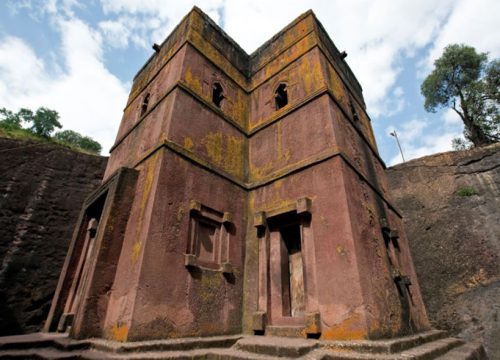
Axum (Aksum), Ethiopia
Axum (also spelled Aksum) is a historic city located in the Tigray Region of northern Ethiopia. It was the center of the Aksumite Empire, one of the most powerful and influential civilizations in the ancient world. The Aksumite Empire flourished from approximately the 1st century AD to the 7th century AD and played a key role in trade, culture, and religion.
Key Highlights of Axum
Historical Significance:
Axum was a major trading hub, connecting the Roman Empire, India, and other regions through the Red Sea.
It was one of the four great powers of the ancient world, alongside Rome, Persia, and China.
Religious Importance:
Axum is considered a holy city in Ethiopian Orthodox Christianity.
It is believed to be the home of the Ark of the Covenant, which is said to be housed in the Church of St. Mary of Zion.
Archaeological Sites:
Obelisks (Stelae): Axum is famous for its towering stone obelisks, which served as grave markers for ancient rulers. The largest standing obelisk is 24 meters tall.
Ruins of Ancient Palaces: The remains of palaces, such as the Palace of the Queen of Sheba, showcase the advanced architecture of the Aksumite civilization.
Tombs of Kings: The underground tombs of Aksumite kings are a testament to the empire’s wealth and power.
Cultural Legacy:
The Aksumite Empire was one of the first African civilizations to adopt Christianity (4th century AD).
The Ge’ez script, an ancient writing system, originated in Axum and is still used in Ethiopian liturgy.
UNESCO World Heritage Site:
Axum was designated a UNESCO World Heritage Site in 1980 due to its historical and cultural significance.
Modern Axum
Today, Axum is a small but culturally rich city that attracts tourists, historians, and archaeologists from around the world. It remains a symbol of Ethiopia’s ancient glory and a center of religious pilgrimage.